App development: web and mobile, built for years in production
A launch is the beginning, not the goal. We build applications people use every day that are still easy to change years later: design and engineering at one table, one codebase where it holds up, and quality you can feel in everyday use.






- 3
- platforms, one product Web, iOS and Android, from a shared codebase where it fits.
- months of web and app For one of the largest training providers in the DACH region, in one product and design language.
- 2 years
- in the frontend team Of a digital wealth manager, embedded in the client's engineering.
- projects since 2019 For enterprises, mid-sized companies and startups, from prototype to production.
Applications that hold up in everyday use.
A slice of our work: different industries, the same standard of quality.
-
 Training · web and iOS
2 platforms, 1 language
Customer portal and app as one product
Participants are supported digitally before, during and after a course, even without a laptop. A new iOS app and the existing web platform speak the same product and design language. Components from the app flowed back into the web.
-
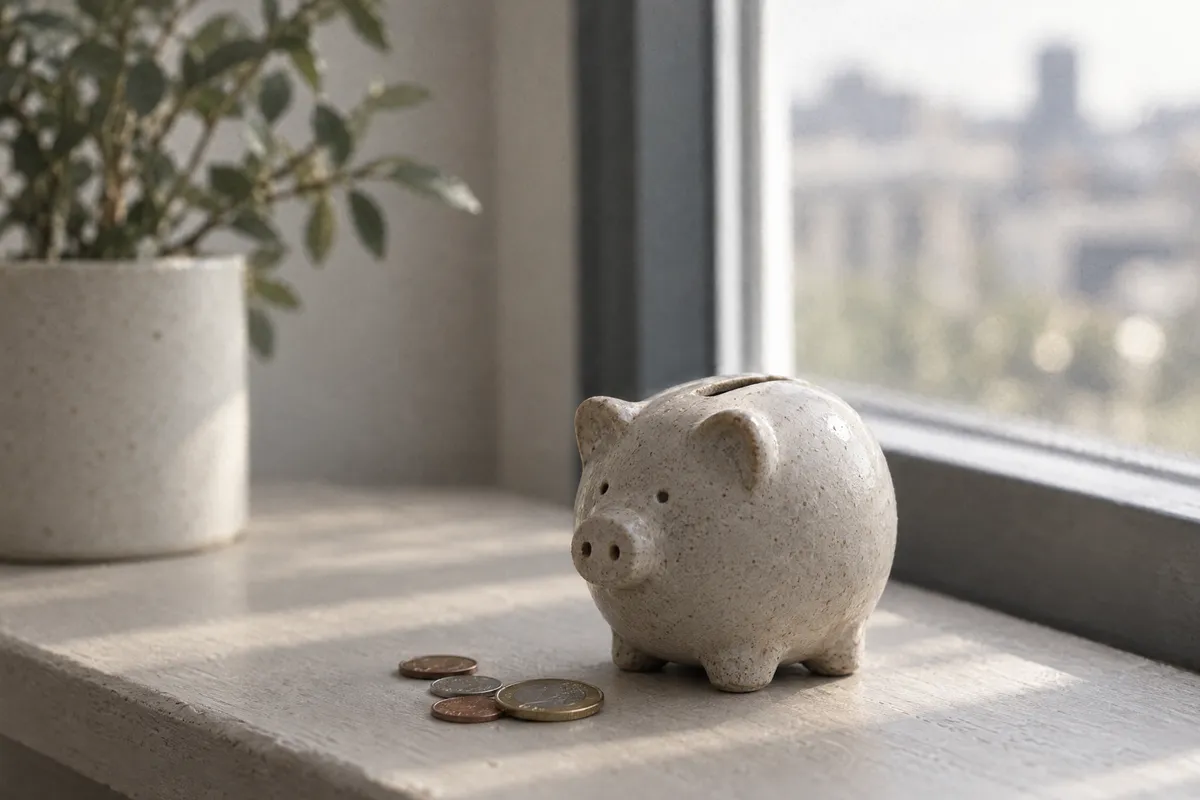 Finance · robo-advisor
2 years
Frontend for a digital wealth manager
When the web application is the product, every bit of friction in the interface is friction in the core business. As the frontend and UI team inside the client's engineering, we helped build the platform, in a domain where trust matters more than effects.
-
 Health · app and web
1 brand, every channel
App and booking flows from one mould
For a clinic for therapeutic fasting and integrative medicine, the app and web booking flows are aligned in brand identity and tone. Guests experience one brand, whether they book in the app or on the web.
How we think about applications.
Frameworks come and go. What makes an app good changes surprisingly little.
-
01
Launch is day one.
Software spends most of its life in production. We choose architecture, tests and dependencies by how easily the application can still be changed in three years, not by how fast the first demo is ready.
-
02
Design and code are one team.
A design lead sits in the engineering team. That produces interfaces that can be built and code that actually delivers the designed experience instead of renegotiating it pixel by pixel.
-
03
One codebase where it holds up.
Web and mobile share logic and components when it helps the product. When a platform calls for native code, we build native. Pragmatism over dogma.
-
04
The details are the product.
Load times, empty states, error messages, a dead zone on the train: nobody talks about these moments in the concept, yet they decide whether people like opening an app.
-
05
Accessible from the start.
Accessibility under WCAG and the European Accessibility Act is part of our definition of done. It is solved in components, not retrofitted just before the audit.
-
06
Measure, don't guess.
Error tracking, performance data and real usage show where an application gets stuck. That drives the next iteration, not the loudest opinion in the meeting.
From experience to operations.
This is how we typically structure an application. Every layer has one clear job and its own quality criteria.
-
01
Experience
Understand users, design flows and test them early with clickable prototypes before production code is written.
User researchClickable prototypesUsability testsUX concept -
02
Interface
Components and design tokens instead of one-offs. Responsive, accessible and in one language with the brand.
ComponentsDesign tokensWCAG and EAAResponsive -
03
Application
State, navigation and logic type-safe and, where it makes sense, shared between web and mobile. Offline-capable where people are on the move.
Shared logicType safetyOffline-capableServer rendering -
04
Integration
Clean interfaces to your systems, sign-in and permissions, notifications and deep links.
API layerAuthenticationPush notificationsDeep links -
05
Quality
Automated tests at every level and code review for every change. If it is green, it can ship.
Unit testsEnd-to-end testsVisual regressionCode review -
06
Operations
Automated delivery to the web and the stores, updates without store delays where allowed, and monitoring in everyday use.
CI/CDStore releasesOver-the-air updatesMonitoring
We build apps like long-lived products.
Most apps do not fail at launch, but in their second year. The difference shows in everyday work.
- Design throws screens over the fence
- Two apps, two teams, two codebases
- A release every few months, with dread
- Accessibility just before the audit
- Bugs surface in store reviews
- Every new feature costs more
- A design lead in the engineering team
- Shared logic and components where it fits
- Shippable every week, tested automatically
- Accessibility from the first component draft
- Error tracking flags them before users do
- Architecture that stays easy to change for years
-
01
What this is about
An app is not done when it is in the store. It is used every day, has to absorb new requirements and should still be easy to change years later. That is what we build for: customer portals, specialist applications and mobile apps for web, iOS and Android.
Design and engineering sit at the same table. Where it helps the product, web and mobile share one codebase; where a platform calls for native code, we build native.
-
02
Who we do it for
For companies whose application is used every day by customers or employees, from customer portals and self-service flows to specialist applications. We take on a product under our own responsibility or work embedded in your engineering team, as we did for two years in the frontend of a digital wealth manager.
-
03
How it works
We build applications in three phases. Each phase ends with a result you use to decide whether and how to continue.
- Consulting and architecture, from one week: We work out which platforms you need, whether web and mobile share one codebase and how the application connects to your systems. The result is a decision paper with architecture, options and an effort estimate.
- Prototyping and pre-study, typically 2–6 weeks: We test interfaces and flows early with a clickable prototype, before any production code is written. The result is a clickable prototype, a risk assessment and a solid implementation plan.
- Engineering and operations, months to years: We build the application, either as a project under our responsibility or embedded in your team, and keep developing it in operation. The result is software in production, documented and ready to hand over to your team.
We worked on web and app for Haufe Akademie for more than 12 months, and on quirion's React frontend for 2 years. You can find an overview of the phases under Services.
-
04
Tools
Our core is the TypeScript ecosystem. These are the technologies we use in app projects:
- Web: React, Next.js and TypeScript, with Styled Components at Haufe Akademie
- Mobile: Expo and React Native, shipped for iOS and Android
- Native when the project calls for it: Swift, Kotlin or .NET
- Design: Figma, with a design lead in the engineering team
- Testing: Jest, Cypress and Playwright
We decide which combination fits during the consulting phase, based on your requirements and your team.
Common questions about app projects
Do you build apps natively or cross-platform?
Mostly cross-platform. Our core is the TypeScript ecosystem with React, Next.js and Expo, which lets web and mobile grow from a shared base. For Haufe Akademie we built the iOS app with React and Expo. Components from the app later flowed back into the web platform. When a project calls for Swift, Kotlin or .NET, we build with those. The decision is made in the consulting phase.
Can you continue developing an existing application?
Yes. At quirion we spent two years as the frontend and UI team inside the client's engineering organization, building on the existing React platform. At ImmobilienScout24 we work in a codebase that has grown over many years: we add TypeScript types, draw clearer component boundaries and remove legacy patterns. We work as part of your team, not as an outside vendor.
How do you keep web and app consistent in design?
Design and engineering sit at the same table. For Haufe Akademie, a design lead was part of the engineering team so web and app speak the same visual language. For Buchinger Wilhelmi, the app and the web ordering flows share the same brand identity and tone. The result is interfaces that can actually be built.
How long does an app project take?
That depends on the scope. Consulting starts at one week. A pre-study with a clickable prototype typically takes two to six weeks. Build and operations run for months to years. We worked on web and app for Haufe Akademie for more than 12 months, and on quirion's React frontend for 2 years. After each phase you decide whether and how to continue.
Should your app still be a joy in three years?
Tell us who uses it and what it needs to do. We will tell you honestly how we would build it.